
Ebola disease is a rare but serious viral illness that spreads through direct contact with the blood or other body fluids of an infected person or animal. It is not spread through casual contact or through the air.
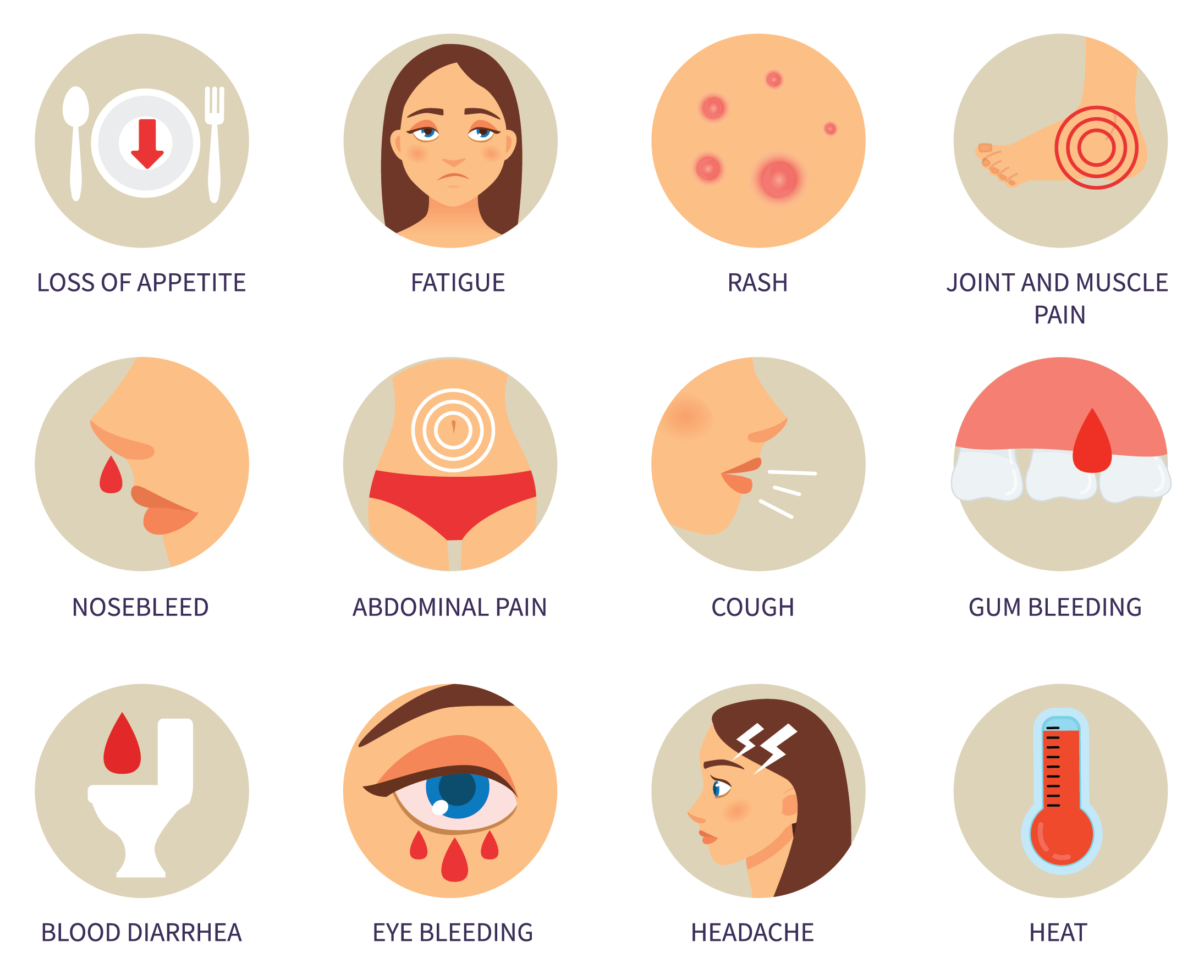
Symptoms may appear between 2 and 21 days after exposure and can include:
Fever
Headache
Muscle and joint pain
Fatigue and weakness
Sore throat
Diarrhoea
Vomiting
Stomach pain
Rash
Red eyes
Unexplained bleeding or bruising in severe cases
Ebola Outbreak 2026
Travel Advice
The Public Health Authorities are closely monitoring the ongoing Ebola disease outbreaks in the Democratic Republic of the Congo (DRC) and Uganda.
The European Centre for Disease Prevention and Control (ECDC) assesses the likelihood of infection for people living in the EU/EEA as very low and, overall, does not recommend travel or trade restrictions, but emphasises awareness, adherence to precautionary measures, and early detection as the key strategies to minimise risk.
If travel is unavoidable, the following precautions are strongly recommended:
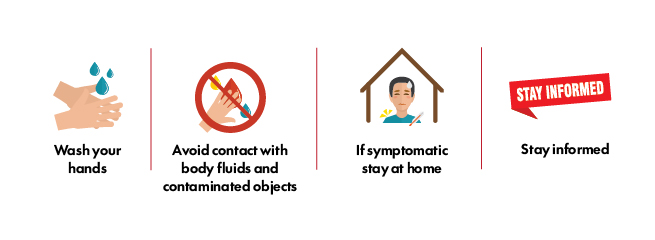
Avoid direct contact with blood, body fluids, or tissues of any person who is ill or has died from Ebola disease.
Avoid contact with objects that may be contaminated with blood or body fluids, including clothing, bedding, and medical equipment.
Avoid close contact with wild animals, including bats, monkeys, chimpanzees, gorillas, and antelopes, as well as the consumption of bushmeat.
Practice safe sex and avoid unprotected sexual intercourse.
Wash your hands frequently with soap and water or use an alcohol-based hand sanitiser.
Avoid visiting healthcare facilities unless necessary and follow local public health advice.
Avoid participation in funeral or burial practices that involve direct contact with the deceased.
Returning Travellers
Anyone who has travelled to areas where Ebola cases have been reported should monitor their health for 21 days after leaving the affected country.
If you develop any of the symptoms listed above within 21 days of returning, you should:
Avoid contact with other people.
Stay at home – do NOT visit a health care facility
Contact the Public Health Authorities immediately for advice and further guidance
Further Information
For the latest updates on Ebola disease and affected areas, please visit:
European Centre for Disease Prevention and Control (ECDC) – Ebola Disease
ECDC – Current Ebola Outbreak Updates
World Health Organization (WHO) – Ebola Disease